DETAILS
A scuba regulator service includes complete disassembly, cleaning, replacement of all worn parts (like O-rings, seats, and filters), reassembly, and functional testing and tuning to factory specifications. This process ensures the regulator is performing safely and correctly for diving, often involving checks for leaks and performance under pressure.
What a scuba regulator service includes:
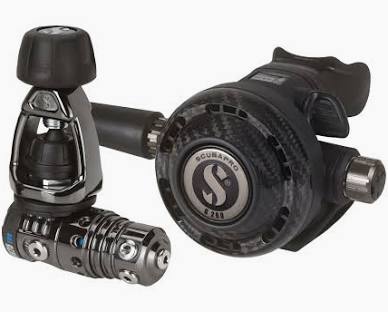
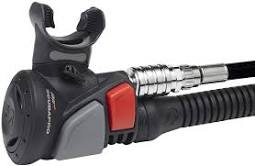
Disassembly: A technician will completely strip down the regulator into its individual components, including the first stage, second stage, and hoses.
Inspection: Each part is meticulously inspected for wear, damage, corrosion, or other issues. This includes checking internal components like seats, springs, and diaphragms.
Cleaning: Components are cleaned using specialized solutions to remove dirt, salt, and contaminants.
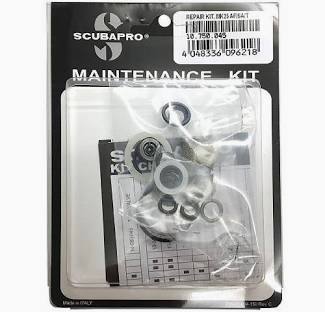
Part replacement: All "soft parts" such as O-rings and diaphragms are replaced, along with seats, filters, and any other worn or damaged parts.
Reassembly: The regulator is carefully put back together with the new parts.
Testing and tuning: The regulator is tested to ensure it is functioning correctly. This includes checking interstage pressure and cracking effort, and making any necessary adjustments to meet factory specifications.
Final check: The reassembled and tuned regulator undergoes a final inspection and a submersion test for leaks before being returned to the user.